Recent DNA analysis indicates that fallow deer were first brought to Britain from the Mediterranean in Roman times. Evidence suggests they survived for several hundred years after the collapse of the Roman Empire, before becoming extinct in Britain. Studies show that they were reintroduced from Anatolia (now part of Turkey) prior to the Norman conquest in the 11th century. Initially the Normans used fallow deer for ornamental and hunting purposes, but as fallow numbers increased they became valued as venison for the table. The fallow deer is a docile, non-territorial, herding deer that thrives in parkland, making it ideal for semi-domestication.
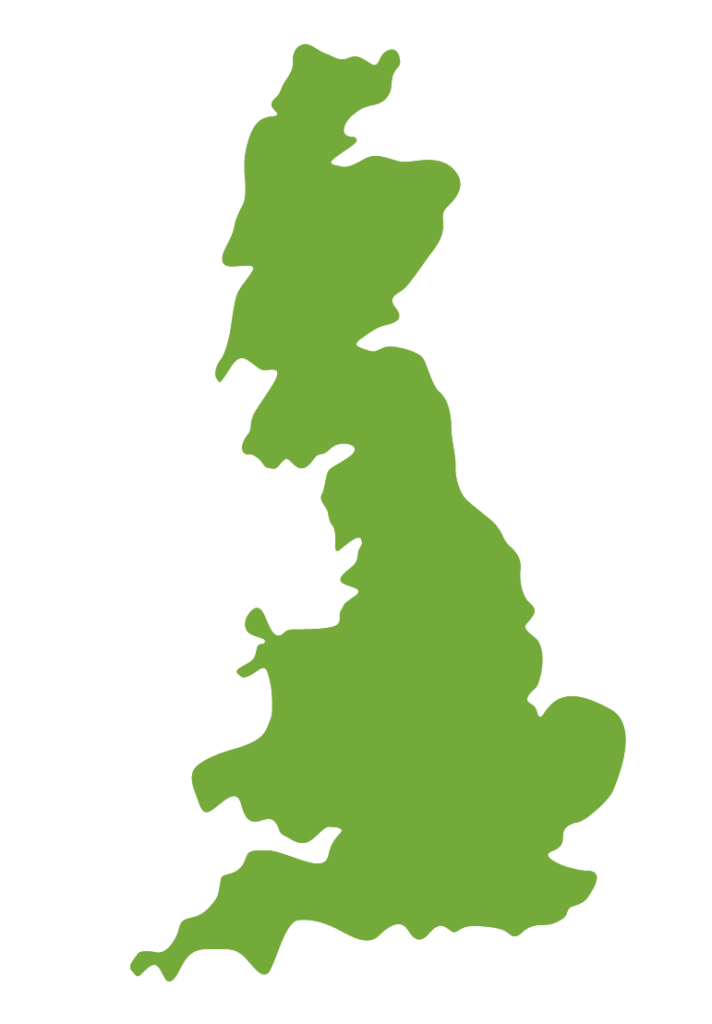
Today their patchy distribution reflects the distribution of ancient deer parks and hunting forests. Feral deer (escapees from parks) are common in southern England. Increasing in number, they are found throughout much of England and parts of Wales, and locally in Scotland. Herds may number a hundred if conditions are right. There are now more deer in the South East today than there were 500 years ago in the reign of Queen Elizabeth I. Fallow deer have palmate (palm-like) antlers – a wider and flatter spread with less distinct tines than the red deer.
Origin: Introduced
Size: Body size the same as a ewe (female sheep) but with longer and thinner legs.
Description: Males, ‘bucks’, have flattened, palmate antlers. Females, ‘does’, do not. Bright chestnut coat with spots in summer, drab grey-brown in winter.
Habitat: Live in semi-domesticated state in many parks and forests throughout UK.
Young: ‘Fawns’; born in May or June after 8 months gestation and weigh about 4.5 kg, about the size of an adult cat. They are dappled to match their background and lie hidden in the undergrowth for the first few weeks of life, while their mother moves off to graze. The mother returns every few hours to suckle the fawn.
Diet: Purely vegetarian: grass, young shoots, leaves, bark, heather, sweet chestnuts, acorns and cereals etc.
Population: Pre-breeding season estimated to be 100,000.